A neighborhood’s first impression is rarely formed at the entrance sign. It happens block by block: clean mowing lines, trimmed common areas, beds free of weeds, and trees that look cared for rather than neglected. HOA lawn maintenance services give boards a practical way to protect that impression while reducing the day-to-day burden placed on volunteers, property managers, and residents.
For communities across Shreveport, Bossier City, Benton, and Stonewall, lawn care is not a set-it-and-forget-it task. Long growing seasons, heavy rain, high heat, compacted soil, and sudden weather changes all affect how landscapes perform. A thoughtful maintenance plan keeps shared spaces looking welcoming while helping boards plan for costs, communicate expectations, and avoid small issues becoming expensive repairs.
HOA Lawn Maintenance Services Are About More Than Mowing
Regular mowing matters, but it is only one part of maintaining a community landscape. A well-kept entrance, clubhouse lawn, walking path, detention area, or neighborhood common space reflects how carefully the entire property is managed.
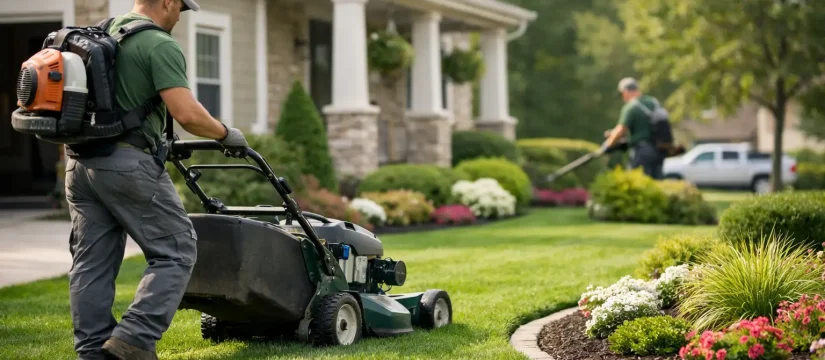
Consistent service typically includes mowing, edging, blowing hard surfaces, shrub pruning, bed weeding, seasonal cleanup, and removal of fallen limbs or debris when needed. The right scope depends on the property. A smaller subdivision with one landscaped entrance has different needs than a community with multiple common areas, ponds, sidewalks, mature trees, and amenities.
The benefit of professional oversight is consistency. Residents notice when mowing schedules drift, weeds take over the entry beds, or shrubs begin covering signage. They also notice when every visit leaves the property neat, intentional, and ready to welcome guests home.
A reliable schedule builds resident confidence
HOA boards often hear from residents when an area looks neglected, even if the concern begins with one missed mowing cycle or an overgrown bed. A dependable maintenance schedule helps avoid that friction. It gives residents a visible sign that dues are being used to care for the community they share.
That does not mean every property needs the same weekly service all year. During peak growing months, weekly mowing may be the best fit. In slower periods, a modified schedule can make more sense. The goal is not simply frequent visits. It is the right level of care for the season, the landscape, and the community’s standards.
What a Strong HOA Maintenance Plan Should Address
Before comparing bids, an HOA board should identify the areas that need regular attention and the outcomes it expects. Vague service descriptions can lead to frustration later. A clear plan makes it easier to compare proposals fairly and hold everyone accountable.
A maintenance agreement should establish the mowing frequency, the areas included, how edging and debris cleanup are handled, and whether shrub pruning, bed care, leaf removal, and seasonal color changes are part of the ongoing scope. It should also clarify what happens after storms, how irrigation concerns are reported, and whether larger tree work or landscape repairs are quoted separately.
For many communities, the most useful plans account for these four needs:
- Recurring lawn and common-area care that keeps turf, sidewalks, entrances, and amenity spaces orderly.
- Landscape bed maintenance that controls weeds, refreshes mulch, and keeps plants shaped without harsh over-pruning.
- Seasonal attention for leaf buildup, storm debris, dormant-season pruning, and annual color where it supports the property’s appearance.
- A process for identifying larger concerns, such as drainage problems, irrigation leaks, declining trees, or damaged hardscape.
The details matter because landscapes change. A contractor may mow the same turf each week, but plant health, water needs, weather damage, and weed pressure require an attentive eye. That is where a boutique standard of property care makes a meaningful difference.
Local Conditions Change the Scope of Care
Northwest Louisiana landscapes can look generous and green for much of the year, but that beauty comes with maintenance demands. St. Augustine, Bermuda, and Zoysia lawns respond differently to heat, shade, mowing height, and water. Ornamental shrubs can become leggy quickly in warm weather. Invasive weeds take advantage of bare soil, thin turf, and neglected bed edges.
A one-size-fits-all approach may look less expensive on paper, but it can create problems over time. Cutting grass too short can stress turf during heat. Ignoring irrigation issues can lead to runoff, weak roots, and brown patches that residents assume are a mowing problem. Pruning at the wrong time can reduce flowering or leave plants vulnerable during stressful weather.
Local knowledge helps a maintenance team recognize the difference between a normal seasonal change and a concern that needs action. It also helps boards prioritize wisely. Sometimes the best next step is a modest mulch refresh and better irrigation coverage. Other times, recurring turf problems point to drainage, compaction, shade, or an aging landscape design that needs more than routine maintenance.
Curb Appeal and Safety Work Together
A polished community landscape is not just decorative. Proper maintenance can improve visibility around entrances, sidewalks, parking areas, mail kiosks, and amenity spaces. Trimmed shrubs help keep signs readable. Clean edges and cleared hard surfaces make walkways feel safer. Removing low limbs and storm debris reduces hazards before they become resident complaints or insurance concerns.
Tree care deserves particular attention in mature neighborhoods. Large trees add shade and character, yet deadwood, low-hanging branches, and declining limbs should not be treated as an afterthought. Routine property walks can identify concerns early, allowing the board to address them before a storm exposes the problem.
There is a balance to protect, though. Aggressive pruning is not the same as careful pruning, and removing every leaf from every naturalized area may not be necessary. Good property stewardship respects the intended look of the landscape while keeping high-traffic spaces clean, functional, and safe.
How HOA Boards Can Choose the Right Partner
The lowest proposal is not always the lowest long-term cost. A contractor who offers a minimal scope may leave the board paying separately for the very services needed to keep the property presentable. On the other hand, a large package that includes unnecessary visits or ornamental upgrades may not fit the community’s budget.
The best conversation begins with the property itself. Walk the grounds together. Identify priority areas, recurring trouble spots, resident-facing spaces, irrigation zones, and areas that can receive lighter attention. Ask how the company communicates service updates, handles weather delays, documents concerns, and provides recommendations outside the contracted scope.
It is also wise to discuss appearance standards directly. “Keep it neat” can mean very different things to different people. Photos, property walks, and clear expectations around bed edges, shrub shape, litter pickup, and seasonal cleanup help prevent misunderstandings.
For boards that want a more personal approach, Front Porch and Garden brings local horticultural knowledge and attentive outdoor care to community spaces throughout the region. The objective is not to make every property look identical. It is to help each neighborhood feel well tended, functional, and distinctly at home.
Make Room for Seasonal Improvements
Recurring maintenance provides the foundation, but seasonal projects often create the biggest visible lift. Fresh mulch at an entrance, replacement of tired shrubs, refreshed annual color, irrigation adjustments, or selective tree work can restore a space that routine mowing alone cannot improve.
Boards do not need to tackle every improvement at once. A phased plan is often more manageable. Start with the entrance and highest-visibility common areas, then address irrigation efficiency, declining plant material, or underused amenity spaces as budget allows. This approach gives residents visible progress without putting unnecessary strain on annual dues.
The most successful HOA landscapes feel cared for in every season, not because they are overly formal, but because someone has paid attention to what the property needs. With a clear maintenance plan and a partner who sees both the details and the larger picture, a community’s outdoor spaces can offer the kind of welcome residents are proud to come home to.