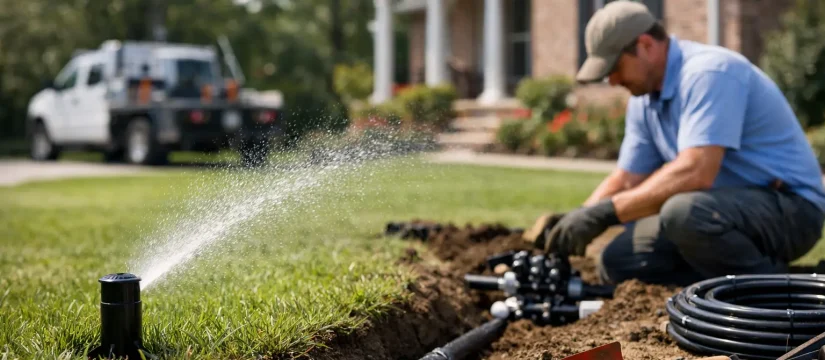
A sprinkler system installation Shreveport property owners can depend on is not simply a network of pipes beneath the lawn. It is a tailored water-management plan for the way your property drains, the plants you love, the sun exposure around your home, and the demanding heat that arrives each Northwest Louisiana summer. When the design is right, your landscape receives steady care without the daily task of moving hoses, guessing at timing, or watching newly planted beds struggle through a dry stretch.
For homeowners and commercial property managers alike, irrigation should protect both the appearance and the long-term health of the landscape. The goal is not to water more. It is to water with intention.
What a Well-Designed Irrigation System Should Do
An effective sprinkler system makes outdoor care more consistent, but convenience is only part of the value. A properly designed system delivers water at the right rate and in the right places, helping turf establish deeper roots while ornamental beds, shrubs, and trees receive coverage suited to their needs.
That distinction matters. A sunny lawn near the street may need a different schedule than a shaded side yard. A foundation bed with seasonal color should not be watered like established shrubs. And a narrow planting area beside a driveway often performs better with drip irrigation than with spray heads that send water onto concrete.
Good irrigation design also considers the practical details that affect a property every day: clear head placement, even coverage, access for maintenance, slope, drainage patterns, and the location of utilities, fences, hardscapes, and mature trees. These details are where a thoughtfully planned system earns its keep.
Sprinkler System Installation Shreveport Properties Need
Shreveport lawns face a particular combination of conditions: long hot spells, humidity, heavy rain events, compacted soils in some neighborhoods, and varied sun exposure from mature tree canopies. A system copied from a generic plan may run, but it may not serve your property well.
The right installation begins with a site visit. Before trenches are cut, an irrigation professional should assess the water source, available pressure, existing landscape, turf areas, drainage concerns, and the way you use the outdoor space. A family’s backyard play area, for example, needs durable equipment placement and practical access. A front garden designed for curb appeal may call for discreet drip lines that keep foliage dry and blooms looking their best.
Commercial properties require the same care at a different scale. Visibility from the road, pedestrian areas, irrigation near parking lots, seasonal planting rotations, and scheduling around business hours all influence the plan. A dependable system helps protect the polished first impression that tenants, customers, and visitors notice before they ever walk through the door.
Zones Make Watering More Precise
Irrigation zones divide a landscape into sections with similar watering needs. This allows the controller to run each area independently rather than treating the entire property as one large lawn.
A typical property may have separate zones for front turf, backyard turf, flower beds, foundation plantings, and a sunny side yard. Drip irrigation can be assigned its own zone because it applies water slowly at the root level. That approach is often especially useful for shrubs, trees, containers, and decorative beds.
Zoning is not an unnecessary extra. It is one of the clearest ways to avoid waste. When turf and planting beds share the same schedule, one area is often getting too much water while the other is getting too little.
Coverage Matters More Than Head Count
A lawn can have plenty of sprinkler heads and still water unevenly. The question is whether the spray patterns overlap correctly and whether the equipment is selected for the shape and size of the space.
Large open lawn areas may use rotors designed for broader coverage. Smaller spaces and curved borders may need spray heads or specialty nozzles. Beds usually benefit from drip irrigation, which directs water into the soil rather than spraying it across leaves, mulch, walkways, and windows.
Proper spacing and nozzle selection help eliminate the familiar pattern of green patches beside dry, stressed areas. They also reduce runoff, particularly on slopes or in compacted soil where water cannot soak in quickly.
Why Smart Controls Are Worth Considering
A basic timer is an improvement over hand watering, but modern controllers give property owners more control and better flexibility. Many can be programmed around separate zones, seasonal changes, and preferred watering windows. Some smart controllers can adjust schedules using local weather information or pause irrigation after rainfall.
That does not mean every property needs the most advanced controller available. A straightforward, well-programmed controller may be the better choice for a small landscape with simple watering needs. But for larger properties, frequently changing seasonal beds, or clients who travel often, smart controls can make day-to-day management easier.
Rain sensors are another practical addition. They help prevent a scheduled cycle from running during or immediately after rain, which supports healthier soil conditions and avoids the sight of sprinklers running while puddles are still on the lawn.
The key is thoughtful programming. Even the best equipment will waste water if it is set to run too long, too often, or at the wrong time of day.
Installation Is Only the Beginning
An irrigation system should be checked and adjusted as the landscape changes. New trees grow. Shrubs fill in. A patio may be added. A lawn area may become a garden bed. Over time, even a well-built system can need seasonal attention to keep working as intended.
Sprinkler heads can be damaged by mowers, vehicles, foot traffic, or shifting soil. Nozzles can clog. Valves can wear. A small leak may not be obvious until a patch of lawn becomes unusually soft or a water bill rises. Routine inspections catch these issues before they become bigger repairs.
Seasonal adjustments are equally valuable. Lawns generally need less irrigation in cooler or wetter periods than they do during the height of summer. Newly installed plants need closer attention while roots establish, while mature plantings often benefit from deeper, less frequent watering. There is no one schedule that remains perfect all year.
For commercial landscapes, regular irrigation checks help preserve consistency across the property. A broken head near an entry sign or a dry planting bed at the front door can undermine otherwise excellent landscape maintenance. Reliable property care depends on seeing these small details early.
Pair Irrigation With Healthy Landscape Practices
Sprinklers work best as part of a broader plan for lawn and garden health. Proper mowing height, soil care, fertilization, weed control, mulching, pruning, and plant selection all affect how much water a landscape needs and how well it responds to it.
For instance, mulch around shrubs and flower beds helps hold soil moisture and moderates soil temperature. It can reduce the frequency of watering needed in ornamental areas, especially during hot weather. Choosing plants suited to local conditions also creates a more resilient garden than relying on thirsty varieties that need constant attention.
It is also wise to watch for signs that look like drought but are actually drainage or disease issues. Wilting, yellowing, thin turf, and leaf drop do not automatically mean the system should run longer. Too much water can be just as harmful as too little, particularly when roots sit in soggy soil or fungal problems take hold.
A knowledgeable landscape team can look beyond the controller and identify whether the issue is irrigation coverage, soil compaction, a pest concern, poor drainage, or a plant that is simply in the wrong location.
Choosing the Right Installation Partner
The best irrigation partner will ask questions before recommending equipment. They should want to understand your landscape goals, your maintenance preferences, and the areas that have caused frustration in the past. A new system is a meaningful investment, and a clear plan should explain what will be installed, how zones will function, and what ongoing service may be needed.
Look for a team that respects the entire property, not just the irrigation layout. Pipes, valves, and heads need to work alongside gardens, walkways, trees, outdoor living features, and the everyday rhythm of your home or business. Clean installation practices and careful restoration matter after the work is complete.
At Front Porch and Garden, irrigation is approached as part of caring for a property with Southern polish: practical enough to support healthy turf and plantings, and thoughtful enough to protect the beauty you have worked hard to create.
A well-planned sprinkler system gives your landscape a steadier foundation through changing weather, busy weeks, and long Louisiana summers. With the right design and ongoing attention, it leaves more room to enjoy the welcome your outdoor space offers.